 780-413-1684
780-413-1684
780-413-1684
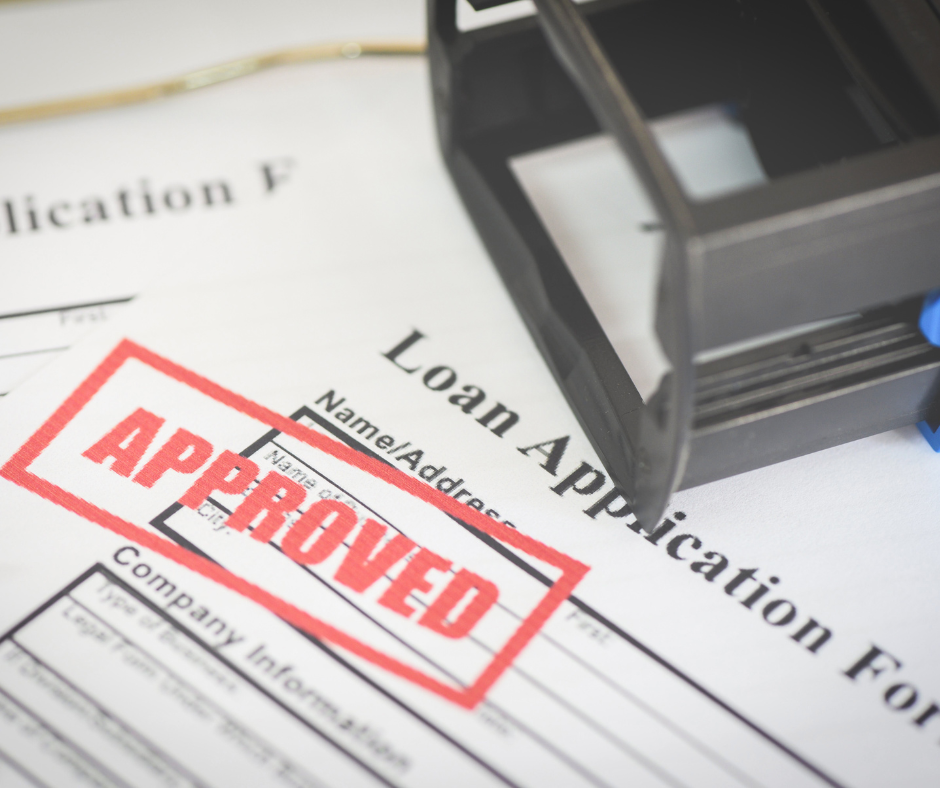
As a self-employed professional in Edmonton, you've likely experienced the frustration of being turned down by traditional lenders despite
having a thriving business and valuable home equity. When multiple debts are weighing you down, equity lending for debt repayment can offer
the flexible solution you need. If you're ready to explore your options, contact BMC Mortgage & Investments today to discuss how we can
help.
The Challenge of Variable Income With Traditional Lenders
Traditional banks want consistent paystubs and employment letters—documents that freelancers and contractors can't provide. Your income
might spike during busy seasons and dip during quieter periods, but this pattern appears risky to conventional lenders.
How Equity Lending Offers Flexibility for Freelancers and Small Business Owners
Equity lending for debt repayment focuses on the equity you've built in your home rather than monthly income statements. This recognizes
that self-employed borrowers often have substantial assets even when income varies.
Why Edmonton's Market Makes Equity Lending an Appealing Option
Edmonton's diverse economy and stable real estate market create ideal conditions for equity lending for debt repayment. Strong property values mean homeowners have built meaningful equity positions to leverage.

How Equity Lending Works Compared to Conventional Mortgages
While conventional mortgages scrutinize debt-to-income ratios, equity lending for debt repayment focuses on your home's market value and
existing mortgage balance. Lenders typically allow access to up to 80% of your property's appraised value.
The Role of Home Equity in Securing Loan Approval
Your home equity serves as primary security, reducing lender risk and streamlining approval. If you've been making mortgage payments for
several years, you likely have substantial equity available for debt repayment.
Benefits and Risks to Weigh Before Moving Forward
Equity lending for debt repayment offers lower interest rates than credit cards and simplified payments. However, you're using your home as collateral, so ensure consolidating debts genuinely improves your financial situation.
Organizing Income Statements and Business Financial Records
Gather two years of tax returns, bank statements showing regular deposits, and contracts demonstrating ongoing income. Clear documentation
helps lenders understand your business model.
Reducing Outstanding Liabilities Before Applying
Before pursuing equity lending for debt repayment, pay down credit cards, resolve collection accounts, and address liens. This demonstrates
responsibility and maximizes available equity.
Improving Credit to Strengthen Your Profile
Your credit score influences approval and rates. Review your report for errors and focus on timely payments. Credit improvements can result
in better terms for equity lending for debt repayment.

Setting a Borrowing Limit That Matches Repayment Ability
Borrow conservatively when using equity lending for debt repayment. Calculate payment capacity based on your lowest earning periods,
ensuring you can maintain payments during slower cycles.
Factoring in Fees, Closing Costs, and Interest Rates
Equity lending for debt repayment involves appraisal fees, legal expenses, and potential penalties. Request detailed cost breakdowns and
ensure interest savings outweigh upfront costs.
Building a Realistic Timeline for Debt Repayment
Create a plan beyond consolidating current obligations. Set milestones for paying down your equity loan while avoiding new debt accumulation.

Handling Fluctuating Cash Flow
Create cash flow projections accounting for seasonal fluctuations. Consider automatic transfers during high-income periods to build reserves
when pursuing equity lending for debt repayment.
Demonstrating Stability Without Traditional Employment Records
Compile client testimonials, contracts, licenses, and registrations to demonstrate stability. Show consistent demand and your ability to
maintain income.
Showing Lenders a Clear Debt Repayment Plan
Present a strategy showing how equity lending for debt repayment improves your situation. Detail which debts you'll pay off and how freed-up
cash flow benefits your business.
Creating Breathing Room to Focus on Business Growth
Consolidating payments through equity lending for debt repayment often reduces monthly obligations significantly, giving you flexibility to
invest in growth opportunities.
Transitioning From Equity Lending to Traditional Lending Over Time
Successfully managing equity lending for debt repayment can improve your prospects with traditional lenders as your business grows and
income stabilizes.
Using Equity Wisely to Avoid Future Debt Problems
Equity lending for debt repayment provides a fresh start, but success depends on changing habits that led to debt accumulation. Implement budgeting and maintain emergency funds.

Questions to Ask Before Choosing an Equity Lender
Ask about experience with self-employed borrowers, approval timelines, and income documentation flexibility when considering equity lending
for debt repayment.
Why Local Expertise Matters in the Edmonton Market
Edmonton-based lenders understand local conditions and challenges facing self-employed professionals, often providing more flexible underwriting for equity lending for debt repayment. Equity lending for debt repayment represents a powerful solution for self-employed borrowers. With careful preparation, you can leverage your home equity to consolidate debts and create financial stability. Contact BMC Mortgage & Investments today to explore your equity lending options and start your journey toward financial freedom.