780-413-1684
780-413-1684
780-413-1684
Carrying multiple high-interest debts while trying to keep up with monthly payments is exhausting, and if you've been exploring your options, you've probably come across second mortgages for debt consolidation as a potential path forward. What most people don't fully understand is how that decision ripples outward into your financial profile, specifically your debt-to-income ratio and what that means the next time you walk into a lender's office. Whether you're planning to renew your mortgage, apply for a vehicle loan, or eventually buy an investment property, your DTI is one of the first numbers a lender looks at. If you're an Edmonton borrower weighing your options, reach out to the team at BMC Mortgage & Investments to talk through what consolidation could look like for your specific situation.
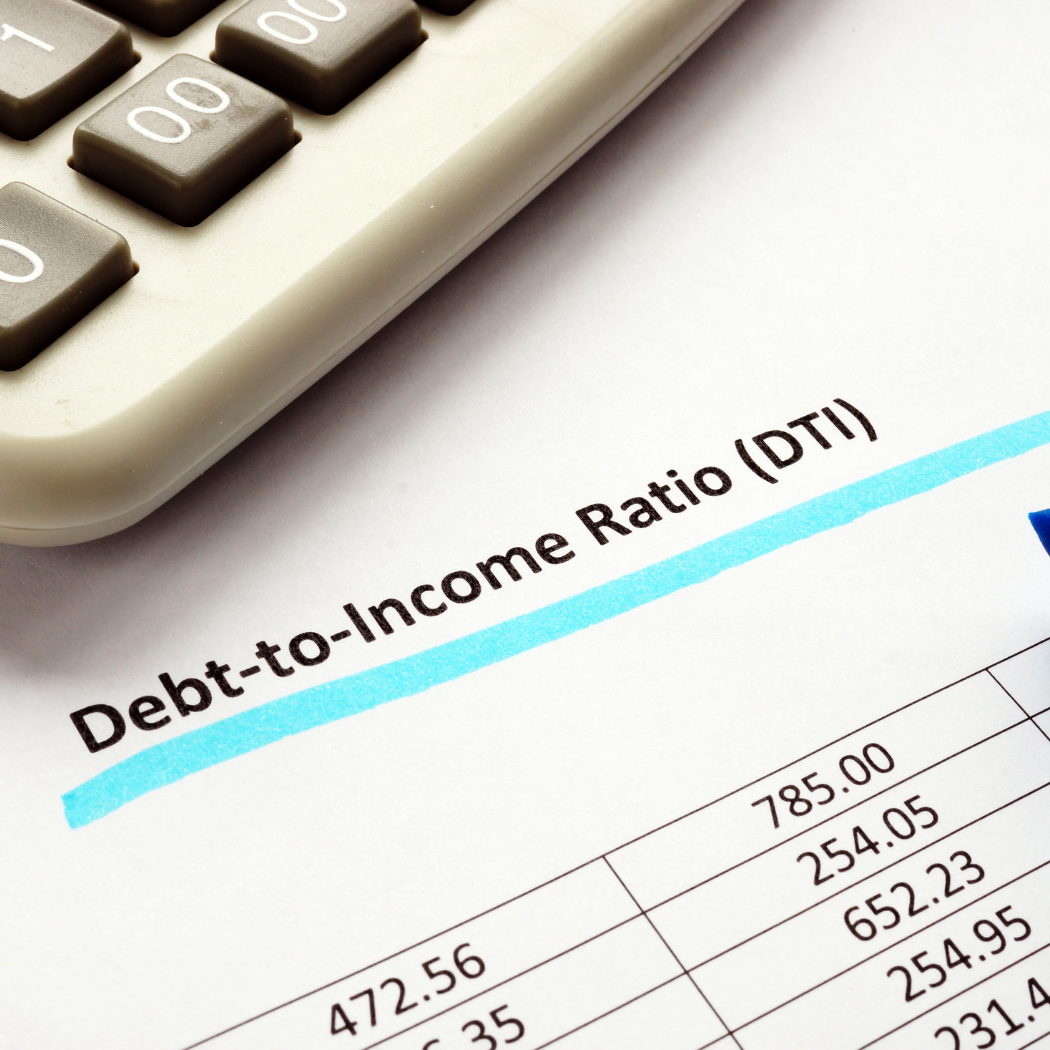
Your debt-to-income ratio is a straightforward calculation: your total monthly debt obligations divided by your gross monthly income. Lenders express this as a percentage and use it to gauge how much financial strain you're already under before approving new credit. In Canada, most institutional lenders work with two versions of this calculation. The Gross Debt Service ratio looks at your housing costs relative to income, while the Total Debt Service ratio captures everything, including car payments, credit cards, and personal loans. A TDS above 44% raises flags with most banks. Once you're above that threshold, qualifying for new credit gets harder, and the rates you're offered tend to be less competitive.
 Here's
where things get expensive fast. Credit cards carrying balances in the range of $8,000 to $15,000 generate minimum monthly payments that
can easily total $600 to $900 per month. Add a personal loan payment, a vehicle loan, and a line of credit, and your combined monthly debt
obligations might represent 50% or more of your gross monthly income. None of that is going toward your mortgage, and all of it is
counting against your TDS. For many Edmonton homeowners, this is exactly the scenario that makes second mortgages for debt consolidation
worth a serious look, because the math on consolidation can genuinely change your monthly picture.
Here's
where things get expensive fast. Credit cards carrying balances in the range of $8,000 to $15,000 generate minimum monthly payments that
can easily total $600 to $900 per month. Add a personal loan payment, a vehicle loan, and a line of credit, and your combined monthly debt
obligations might represent 50% or more of your gross monthly income. None of that is going toward your mortgage, and all of it is
counting against your TDS. For many Edmonton homeowners, this is exactly the scenario that makes second mortgages for debt consolidation
worth a serious look, because the math on consolidation can genuinely change your monthly picture.
This is the part that surprises most people. When you use a second mortgage to consolidate multiple unsecured debts, you're adding a new secured obligation to your credit profile. That sounds like the wrong direction. But the monthly payment on a second mortgage is often significantly lower than the combined minimums on all the debts you're retiring with it. If those six monthly payments total $1,100 and your second mortgage payment is $650, your TDS drops, even though you now technically have more debt on paper. The key is that your monthly cash flow obligation decreases, which is what lenders calculate when they review your file for future borrowing.
 Not
all second mortgages for debt consolidation are issued by banks. In fact, most aren't. Private lenders and B lenders, which are
alternative lending institutions like credit unions and trust companies, apply different qualifying criteria. Private lenders tend to weigh
equity and property value more heavily than income ratios. A B lender might qualify you at a TDS up to 50% where a major bank would stop at
44%. Understanding which type of lender you're working with, and which tier of lending you'll need when you go to renew or refinance in the
future, shapes how aggressively you should use this window to clean up your credit profile.
Not
all second mortgages for debt consolidation are issued by banks. In fact, most aren't. Private lenders and B lenders, which are
alternative lending institutions like credit unions and trust companies, apply different qualifying criteria. Private lenders tend to weigh
equity and property value more heavily than income ratios. A B lender might qualify you at a TDS up to 50% where a major bank would stop at
44%. Understanding which type of lender you're working with, and which tier of lending you'll need when you go to renew or refinance in the
future, shapes how aggressively you should use this window to clean up your credit profile.
A lower TDS opens doors that a high one closes. When your mortgage comes up for renewal, lenders reassess your financial profile. If your DTI has improved significantly in the preceding 12 to 24 months, you may qualify for better rates, have more lender options, and carry considerably more negotiating leverage. The same applies if you want to access a home equity line of credit, finance a vehicle, or bring on a co-borrower for a new purchase. For Edmonton borrowers in particular, where real estate values have been strong, the equity is often already there. The constraint is the income-to-debt picture, and second mortgages for debt consolidation can be one of the cleaner ways to reset it.

Month one through three is typically about stabilization. The debts are paid out, the minimum payment obligations drop, and you stop accumulating new balances. Around months four through six, if you've avoided reloading the credit cards that were consolidated, your credit score often starts to reflect the lower usage. By month twelve, many borrowers who were previously locked out of A-lender qualification have moved into a position where they can at least have a serious conversation with one. By month 24, with consistent on-time payments on the second mortgage and no new unsecured debt accumulation, a full bank refinance becomes realistic for many Edmonton homeowners.
 The
biggest mistake borrowers make after consolidating is running the credit cards back up. The second mortgage bought you room; running new
balances immediately eliminates it. Keep your credit card use under 30% of each card's limit. Make every payment on time. Avoid applying for
new credit unless it's necessary, since hard inquiries affect your score. If you can make small additional payments against the second
mortgage principal, do it. And revisit your full financial picture with a mortgage broker around the 12-month mark to see where you stand
for future options.
The
biggest mistake borrowers make after consolidating is running the credit cards back up. The second mortgage bought you room; running new
balances immediately eliminates it. Keep your credit card use under 30% of each card's limit. Make every payment on time. Avoid applying for
new credit unless it's necessary, since hard inquiries affect your score. If you can make small additional payments against the second
mortgage principal, do it. And revisit your full financial picture with a mortgage broker around the 12-month mark to see where you stand
for future options.
Second mortgages for debt consolidation aren't a magic fix, but for Edmonton homeowners that are carrying high-interest debt that's dragging down their TDS and blocking their path to future credit, they can be a strategic and well-reasoned move. The goal is to come out the other side in a stronger borrowing position than you were in before. That's a conversation worth having. Contact BMC Mortgage & Investments to explore whether a second mortgage makes sense for your financial goals.