780-413-1684
780-413-1684
780-413-1684

Edmonton homeowners sitting on strong equity often want to tackle several property improvements at once. A new roof, a basement suite, an
updated kitchen, and exterior work all get lumped into one ambitious plan. The problem is that funding your renovations through an equity
mortgage works best when the money is deployed in a deliberate order, not all at once. Reach out to BMC Mortgage & Investments before
you finalize your project list, because the sequence you choose can affect your appraisal, your draw schedule, and how much of your equity
you actually have left to work with.
When homeowners draw the full amount available through an equity mortgage for property improvement and start every project simultaneously, they lose the ability to adjust. Material costs shift, contractors run behind, and unexpected issues show up once walls are opened or foundations are exposed. If every dollar is already committed to five different trades, there's no room to respond. Sequencing your projects means each phase gets fully assessed, costed, and completed before the next one draws down funds. This protects your budget and gives you a clearer picture of how your property is actually performing against your renovation plan as you go.

Private lenders and appraisers consistently favour a specific order: structural and systems work first, cosmetic work after. Roofing,
electrical upgrades, plumbing, foundation repair, and furnace or HVAC replacement should come before kitchens, flooring, or landscaping.
This isn't just a construction best practice, it directly affects how your property is valued. An appraiser assessing a home with a new roof
and updated electrical panel sees reduced risk and improved long-term value, which supports a stronger reappraisal down the line. Cosmetic
upgrades are visible, but they don't carry the same weight if the systems underneath haven't been addressed. When you're funding through an
equity mortgage for property improvement, leading with structure and systems gives you the best foundation, literally and financially, for
every phase that follows.

One advantage of a phased approach is that your equity isn't static. As structural improvements are completed and your property's value responds, the equity available to you can grow before you move into your next phase. This means the equity mortgage for property improvement you start with doesn't have to fund every project outright. Instead, early phases can build the value that supports later ones, whether that means better terms, more available funds, or simply more breathing room in your budget. Homeowners who draw everything up front miss this compounding benefit entirely.

Once funds are drawn, the clock is running, and holding costs matter. Coordinating contractor timelines across multiple simultaneous projects is difficult even for experienced project managers, let alone homeowners juggling day jobs and family schedules. Material costs also fluctuate, sometimes significantly, between when you plan a project and when materials actually arrive. A phased sequence lets you lock in pricing and timelines for one project at a time, rather than trying to hold five quotes steady while waiting on contractor availability across all of them. This keeps your draws aligned with actual progress instead of sitting in an account while trades are delayed.
Edmonton's climate plays a real role in how you should sequence improvements. Exterior work such as roofing, siding, and foundation repair needs to happen within the construction season, generally spring through early fall, while interior work like kitchens, basements, and electrical upgrades can proceed through the winter months. If your equity mortgage for property improvement funds a project list that includes both exterior and interior work, sequencing the work by season means exterior projects get done while the weather cooperates, and interior projects fill the winter months instead of sitting idle. A sequence built around Edmonton's seasons keeps every phase moving instead of stalling out.
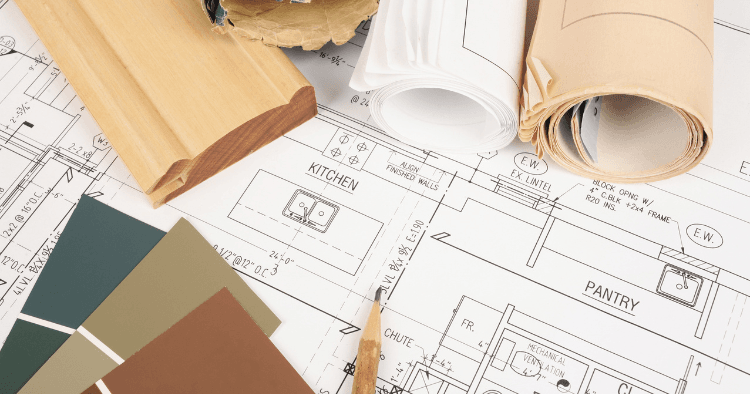
Renovation budgets run over more often than not, and phase one is usually where the surprises show up: unexpected wiring, moisture damage, or foundation issues that weren't visible until work began. If your funds are sequenced rather than fully committed up front, a cost overrun in phase one doesn't derail your entire project list. You can adjust the scope of later phases, revisit timing, or reassess funding needs before committing further draws. This is one of the strongest arguments for phasing an equity mortgage for property improvement: it builds in a natural checkpoint after each stage, rather than locking you into a plan built on estimates that haven't been tested against real conditions.
Before you apply, bring your private lender a clear, phased plan rather than a single lump project list. Outline which improvements come first, what each phase is expected to cost, and how you anticipate your equity position changing as work is completed. Lenders who understand your sequencing are better positioned to structure draws that match your actual timeline, rather than releasing funds all at once against a plan that may shift. This conversation also gives you the chance to ask about reappraisal opportunities between phases, which can affect how much equity mortgage for property improvement funding remains available as your project progresses. Connect with the team at BMC Mortgage & Investments to talk through your sequencing plan before you submit an application, so your funding structure matches how the work will actually unfold.